Skip to content

Introduction: SEO Has Evolved Beyond Backlinks
Modern SEO has evolved beyond backlinks. Although the backlinks can still work as a trust signal for AI search engine. But a successful SEO strategy for 2026 still relies on the full-fledged holistic approach:
- Content optimization and On-page.
- Technical performance.
- Engagement and User experience.
- Originality and Content quality.
- The E-E-A-T signals, trust and credibility.
The modern SEO is focused on building EEAT (experience, expertise, authority, and trust) instead of just collecting links.
How To Improve Brand Visibility In AI Searches
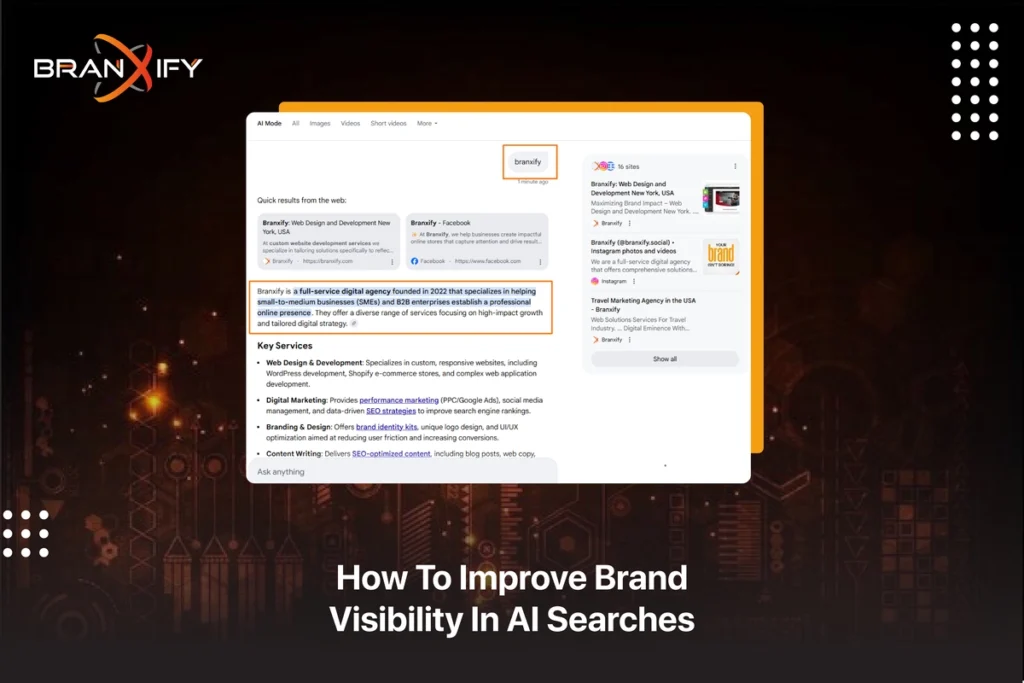
The visibility in the AI search engines and answer platforms like,i.e. ChatGPT, Perplexity and the Claude are reshaping how brands get discovered. Instead of the traditional SEO tactics like backlinks or keywords, the AI tools are now prioritizing trust, digital reputation and expertise. If you feel your brand is not showing up in AI-generated results, this means you are losing the leads.
At Branxify, we follow a modern and updated framework that helps brands in improving visibility across different search results.
Does Google Updates Have Changed The SEO Game?
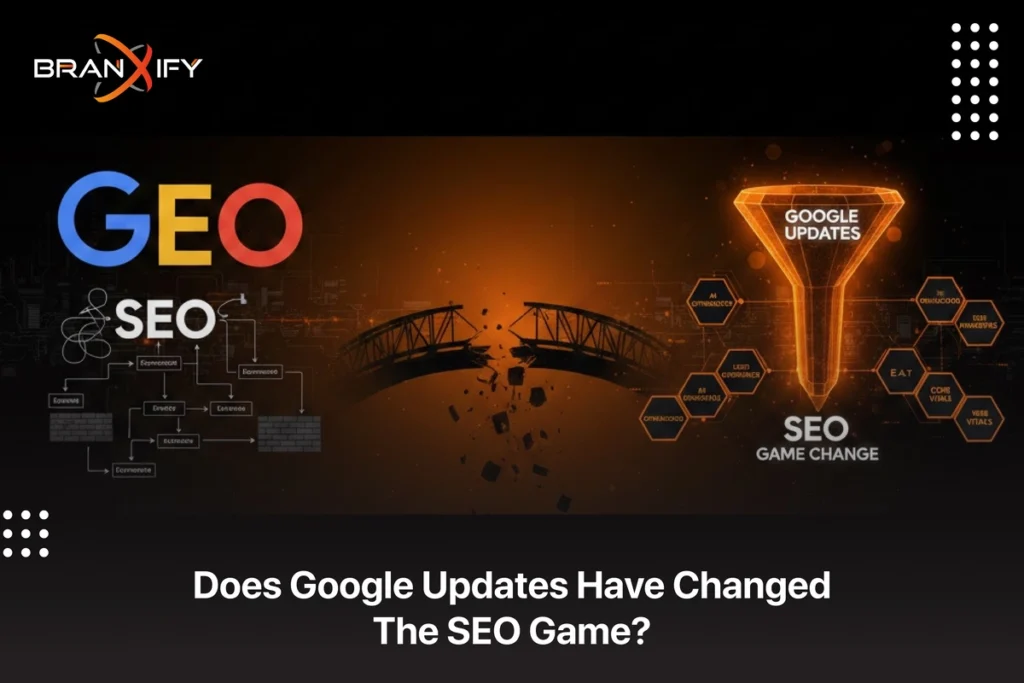
Google has fundamentally transformed the SEO approach; it has been changed from a technical keyword written into AI powered user centric ecosystem focused on expertise. The shift from blue links to EEAT means SEO is now focusing on building faith instead of just ranking.
Here is how Google has changed the SEO game:
1. Zero-Click Searches & AI Overviews
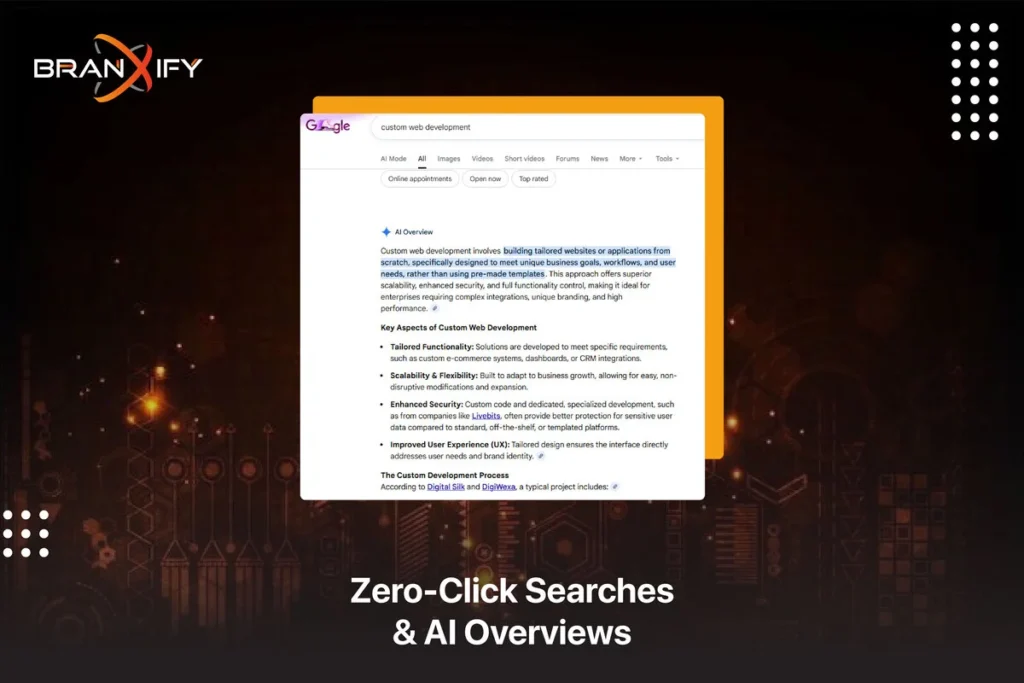
- The Search Engine Has Changed ToThe Answer Engine: With the new AI overviews, Google is now providing direct AI-generated answers to your queries instead of a result page.
- The Reduced Click-Through Rates: The users are getting highly essential, leading to a significant drop in organic traffic, which means about 40% of decline in CTR.
- Position Zero (Dominance): AI summary is in the top spot, which may push organic results below.
Search Visibility in the Age of AI
What Does Search Visibility Mean Today?
The search engine visibility has shifted from simply ranking search engine pages to securing the citation in the AI-generated answers. Just like Google AI overviews and AI-powered answer platforms. To stay visible, your brand needs to adopt the strategy for generative engine optimization focusing on producing highly accurate and structured content for easily digestible AI models.
User Search Intent: The Foundation of Modern Rankings
The user search intent, also known as audience intent, is replacing the outdated strategies focused on keyword volume. It follows an underlying purpose as to why a search query influences the search engine to maximize relevance.
How Branxify Aligns Content with Intent:
- We use topic clusters instead of isolated keywords.
- We have a clear and question-focused heading.
- We work with intent-based keyword mapping.
Core Web Vitals: Performance as a Ranking Signal
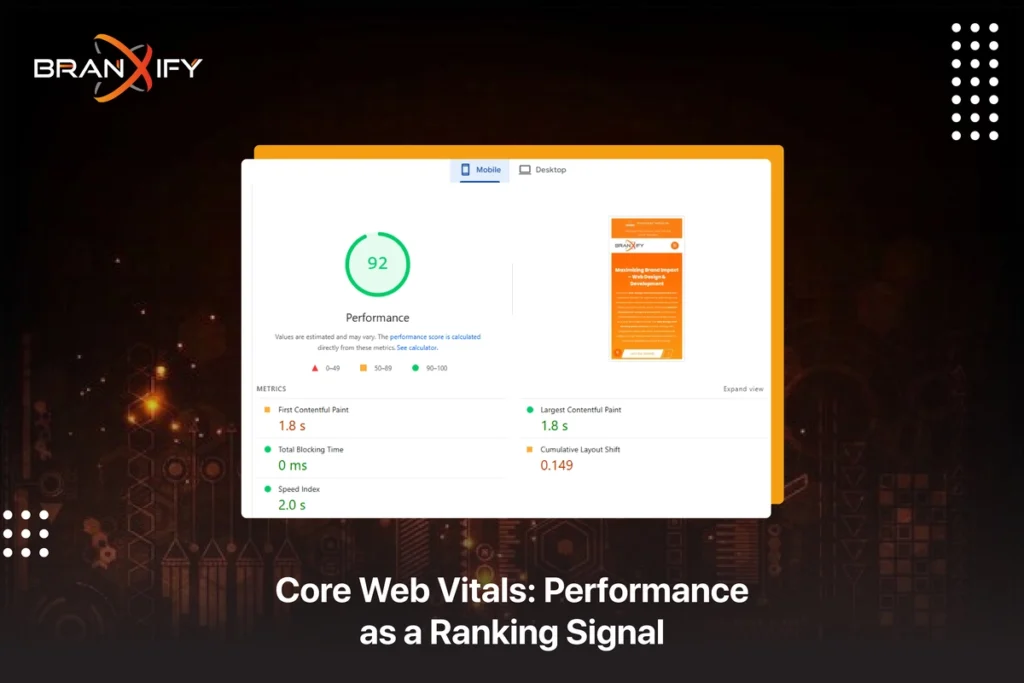
It’s a set of three performance metrics that directly impact the Google ranking. They measure the interactivity, visual stability, and page loading on faster devices such as mobile phones and PCs to achieve higher rankings. The core web vitals include:
- Largest Contentful Paint (LCP): It measures the loading speed of the content that should load within 2.5 seconds.
- First Contentful Paint (FCP): It measures the time to load the first content, say image, canvas or SVG to appear on the screen once they start loading a page.
- Cumulative Layout Shift (CLS): It measures the visual stability: the page has to maintain a score of about 0.1 seconds.
Conversion Rate Optimization (CRO): Visibility That Converts
The conversion rate optimization improves research by analyzing the feedback, user behaviour, and website data to remove any friction points. This can increase the percentage of visitors who want desired actions. It also involved the data-driven approach with A/B testing, session replays and heat maps to understand why users leave.
Key Aspects of CRO for Better Research
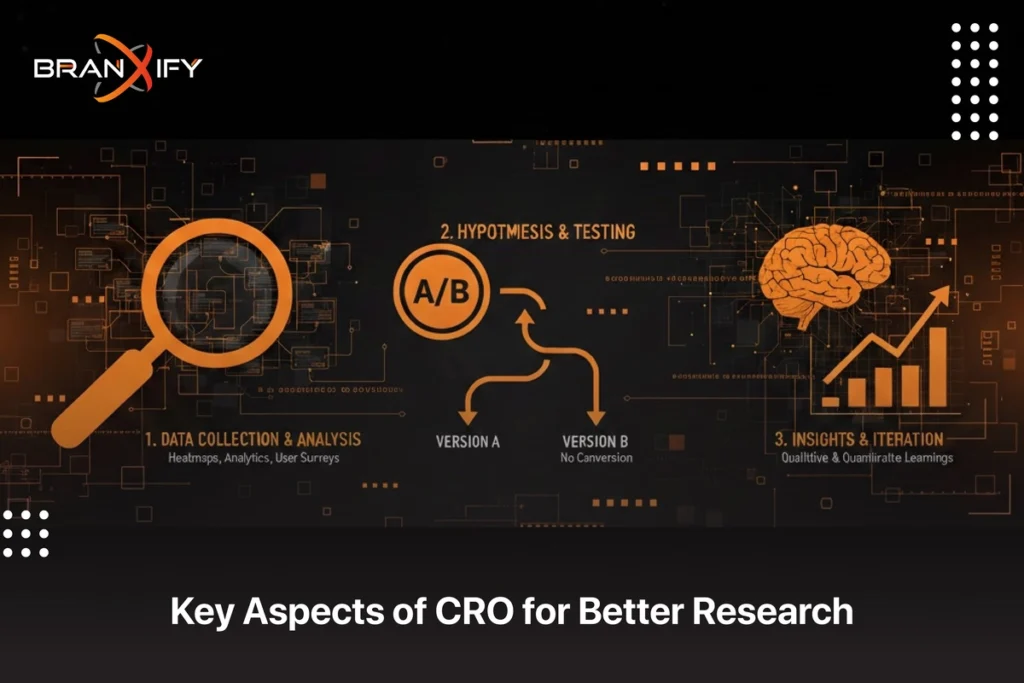
- Data-Driven Insights: Instead of just relying on assumptions, the CRO uses quantitative and qualitative surveys, such as heatmaps, to understand the user needs.
- The Behavioral Analysis: various tools like heatmaps, session recording sand various others are used to identify if users get frustrated.
- Personas: They develop the research-based profiles for target users that help tailor the web experience for specific motivations.
The search experience optimization can merge the SEO and other user experience to enhance how users can find and interact with the content. How they move around the ranking to focus on a single search intent. Right after optimization the user journey, the result leads to action and improve can lower the bounce rate.
Key Aspects of SXO for Research Optimization
- Understanding user intent: it helps determine how the content has to be structured to answer the user queries.
- UX optimization: fast loading mobile friendly and easy-to-navigate sites can help improve user experience.
- Data-driven improvement: this helps in utilizing the metrics to work on time, with click-through rates continuing to refine the content.
Omni SEO: A Complete Visibility Framework
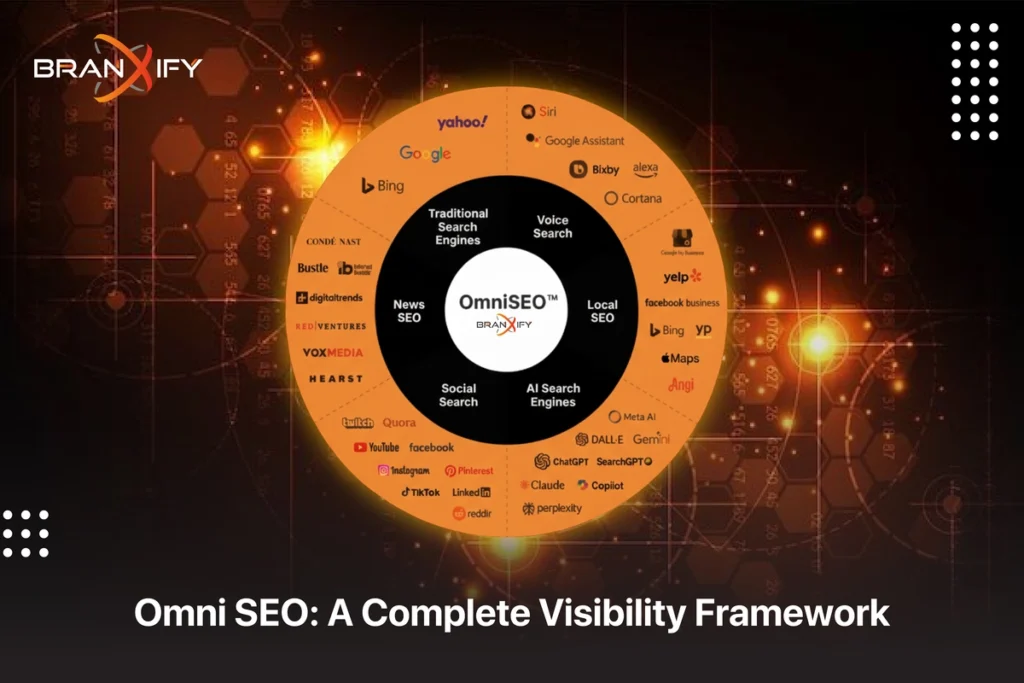
The OMNI SEO has a multi-channel visibility strategy combining traditional SEO, with platforms, AI optimization and brand authority etc.
The omni-SEO makes sure your brand is visible everywhere, and not just search engines. Such as social media etc.
The key components of Omni SEO are:
1. SEO (Search Engine Optimization)
The on-page, off-page and technicalperformance.
2. SXO (Search Experience Optimization)
Has a user interface and performance-driven SEO.
3. GEO (Generative Engine Optimization)
It shows visibility inside AI-generated answers.
4. AEO (Answer Engine Optimization)
It gives direct and very concise answers.
5. AIO (Artificial Intelligence Overview)
It helps in structuring content for AI understanding and increasing visibility.
6. Platform SEO (Beyond Google)
The platform SEO focuses on optimized content inside the individual platform, it’s for the platforms that don’t directly rely on google rankings.
YouTube
- It’s a second largest search engine.
- The keyword optimized video descriptions and titles.
Read More : Is YouTube Considered Social Media? A Deep Dive into Its Role in 2025
Marketplace (Amazon, Etsy, Ebay, etc.)
- It’s for the commercial intend search.
- The product titles are SEO optimized.
App Store Optimization (ASO)
- It’s for mobile first discovery.
- For title and subtitle keyword optimization.
Social Platform Search (FB, Insta, LinkedIn, Pinterest, etc)
- It’s for social first discovery.
- For search optimized captions, keywords in profile and bios.
Community & Forum (Reddit, Quora, Medium)
- It’s a trust-based discovery, answering users with detailed questions.
- Natural brand names praise and review, no scam.
Branxify integrates into all these to build the long-term brand authority.
AIO: Optimizing Content for AI Systems
It’s an optimization strategy, help in:
- It works same as SEO but for AI only.
- It’s a method for improving AI visibility.
- It’s a content and brand optimization framework for AI.
- It helps in improving AI visibility.
AIO includes things like:
- It helps in structuring content for the LLM.
- It gives the answer ready content.
- It helps building authority, trust and citation.
- It works as an optimization for AI outputs.
The AIO is a system that combines various features into one single function. In simple words,it’s a search Engine algorithm that does it all.
The best practices of AIO are:
- It gives answer ready content, easy to summarize.
- The content is factually correct and consistent.
- It offers rich context with entity-based information.
- The content is structured and scannable.
- It’s supported by authority signals.
GEO & AEO: Winning AI Answers and Overviews

Generative Engine Optimization (GEO)
It structures content in such a way that it has clear FAQ’s, citations and entity mentions so AI tools can easily pick and reference it.
The GEO ensures it has:
- It builds your brand’s AI visibility.
- It strategizes content for generative answers for AI platforms.
- It enables AI search Engine optimization.
Read More : What is generative engine optimization (GEO)?
Answer Engine Optimization (AEO)
- It improves the visibility on AI platforms (google SGE, ChatGPT etc.).
- It structures your content so Search Engines Crawlercan easily pick it up and use.
- It increases your chances of appearing in zero click results, and featured snippets.
- It targets the question-based search intent and aligns your content with how users search via AI.
How Branxify Builds Visibility After Google Updates
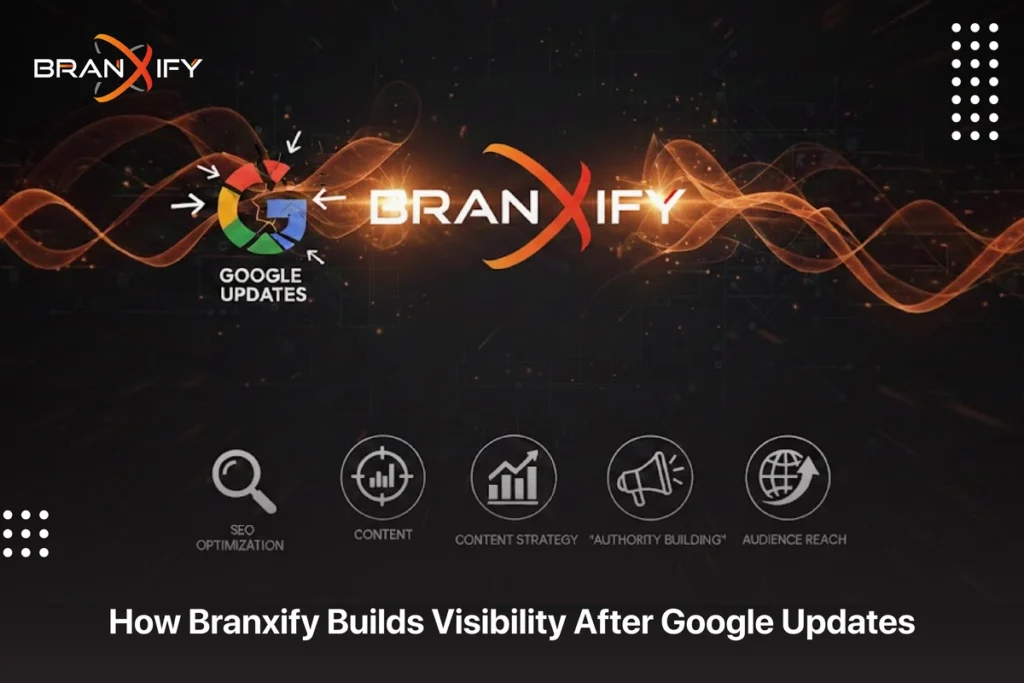
Instead of just focusing on the outdated tactics, the Branxify focuses on.
- Search Intent.
- Core web vitals.
- Al first content.
- SXO-Search Experience Optimization.
- Brand trust and authority.
This kind of approach aligns with Google’s latest update and future-driven search behavior
Final Thoughts: Is This the Right Strategy?
This is the perfect strategy to follow for increasing the AI search engine visibility. The modern SEO is not about chasing backlinks but instead about building a fast and trustworthy brand that satisfies the user and the AI system. With the right use of omni-SEO, AI optimization, core web vitals etc. can achieve sustainable visibility. Branxify is designed to lead the transformations.