
Web Application Development Company

We’re innovation-led in all that we do at Branxify. With the newest tools, frameworks, and design thinking, we provide web app development services that are innovative because they’re dependable. We don’t follow the digital age—we help build it now.
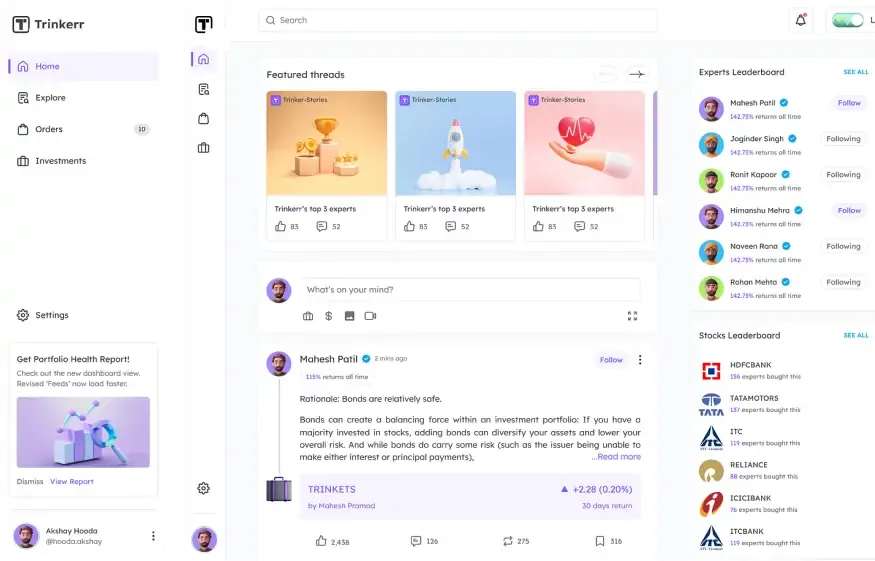
  • Easy-to-use, custom-built applications
  • Tailored to your project or platform goals
  • Clean design with powerful functionality
  • Start fresh or scale up seamlessly
Web Application Development company by Branxify

Web Application Development Company

Branxify is a web application development company that carries the real weight, like SaaS platforms, internal operations tools, customer portals and the systems that your business runs on.
Most teams don’t need another off-the-shelf tool that is bent into a shape it was never built for. They need software that matches how the business can work. This is what web application development services are for. You will get a system that your team own, your customers trust, and the engineers can extend three years from now.

  • Discovery first: you will see the architecture and cost before you commit to a build.
  • Senior engineers on every project; there’s no handing code to a junior after the sales call.
  • Documentation: transfers, repos, infrastructure, etc

Book a Free Consultation

What is Custom Web Application Development?

Custom web application development is the process of building browser-based software around one organization’s workflows, data, and users, instead of bending a generic SaaS product to fit. A website presents information. A web application does work: people log in, move data around, trigger processes, and get results back.

When Off-the-Shelf Is Still the Better Choice

Custom isn’t always the answer, and pretending otherwise is how agencies talk clients into six-figure builds they didn’t need.

A packaged product usually wins when:

  • Your process is genuinely standard accounting, email marketing, help desk ticketing and thousands of companies run it the same way.
  • You need it live in weeks, not months, and the workflow isn’t a differentiator.
  • You don’t have the internal capacity to own a product long-term after it ships.

The honest test: build custom when the software is the advantage, and buy off-the-shelf when the software just needs to get out of the way.

Types of Custom Web Applications

“Web application” covers a wide range of software. Most projects fall into one of these categories:

  • Internal Tools And Admin Panels: The systems your team uses to run operations: inventory, scheduling, order management, approvals.
  • Customer and client portals: logged-in areas where clients see their data, submit requests, upload documents, or track status.
  • Workflow and process automation: Software that replaces manual handoffs, spreadsheet chains, and copy-paste between systems.
  • Data dashboards and reporting tools: Pulling numbers from multiple sources into one live view instead of a monthly manual report.
  • SaaS products: Software you build to sell, with sign-up, billing, tenant separation, and self-service onboarding.
  • Marketplaces and multi-sided platforms: Where two or more groups (buyers/sellers, patients/providers) transact under different permissions.

What’s Actually Inside a Custom Web App

A web application is more than the screen users see. A typical build includes:
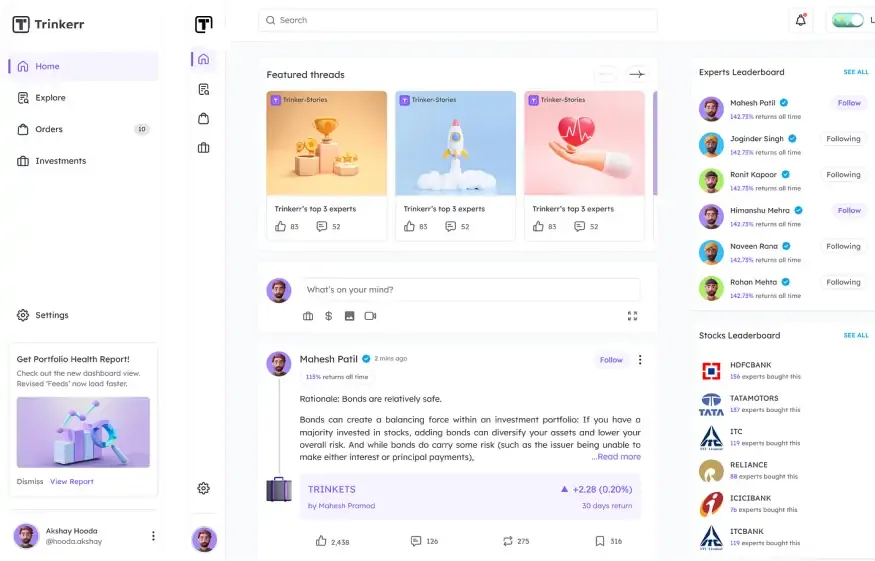
  • A Front End: the interface people interact with in the browser.
  • A Back End: the server-side logic that enforces rules, processes requests, and talks to everything else.
  • A Database: where your data actually lives and stays consistent.
  • Authentication and Permissions: who can log in, and exactly what each role is allowed to see and do.
  • Integrations: connections to the tools you already use (payment processors, CRMs, email, shipping, your accounting system) through APIs.
  • Hosting and Infrastructure: where the app runs, plus backups, security, and the ability to handle more users over time.
Web Application Development Services​ - Setting New Benchmarks_Branxify

The Business Case: Where a Custom Web Application Development Pays You Back

Almost nobody gets a custom build approved by describing the software. You get it approved by describing what the current situation costs, in numbers someone in finance recognizes.

So before you talk to anyone, including us, it’s worth putting a figure on the status quo. The cost is rarely a line item, which is exactly why it survives for years. It’s spread across salaries, subscriptions, and the deals that quietly don’t close.

  • Staff Time on Manual Work. Take the hours per week your team spends copying data between systems, rebuilding the same spreadsheet, or chasing approvals by email. Multiply by loaded salary and by 52. This is usually the biggest number, and the one people most underestimate because it’s already “in” the payroll they’re paying anyway.
  • The Key-Person Risk. When a critical process lives in one person’s head — or in one macro-laden spreadsheet only they understand — you’re one resignation away from an operational hole. That’s not a monthly cost; it’s a risk with a real expected value, and finance understands risk.
  • Slow Reporting. If pulling this month’s numbers takes days of manual assembly, you’re paying twice: once for the hours, and again for every decision made late or made blind because the data wasn’t ready.

Now Put a Number on the Other Side

Once you’ve sized the leak, the build has to earn its cost against it. A custom application typically pays back in three ways, and it’s worth estimating each rather than hand-waving a single ROI figure:

  • Cost removed. The subscriptions you cancel and the manual hours you free up — the leak above, reversed. This is the most defensible number because it’s money you’re already spending.
  • Revenue enabled. The deals you start winning because you now have the portal, the self-serve flow, or the tracking a competitor used to beat you with. Softer to predict, so estimate it conservatively.
  • Capacity unlocked. The growth you can absorb without adding headcount. If the app lets the same team handle [X%] more volume, that’s margin you keep instead of hiring against.

The Rule Of Thumb Custom Web Application Development Services​ Use

A custom build is easiest to justify when the yearly cost of the status quo is roughly on par with the one-time cost of building the software. When the leak you’re absorbing every year is comparable to what the build costs once, the app pays for itself inside the first year and every year after that is money kept rather than money spent.

We’d rather tell you that up front than sell you a project the numbers don’t support.

Costs People Forget to Count

An honest business case includes what you’ll spend after launch, not just to build:

  • Hosting and infrastructure: ongoing, and it scales with usage.
  • Maintenance and support: software that people depend on needs upkeep; budget for it rather than being surprised by it.
  • Future changes: the app will need to evolve as the business does. That’s a feature of owning your software, but it’s a line item.
Custom Ecommerce Web Development Company By Branxify

Our Web Application Development Services

Branxify covers the full lifecycle of web application development services​ from blank page to a system.

Custom Web Application Development

We build custom web applications from the ground up. We start by understanding your business workflow, organize the data around it, and create an easy-to-use interface that your team can use without extra training.

  • Requirements discovery, technical documentation, and user story mapping.
  • UX/UI design and wireframes focused on real user workflows.
  • Front-end development using Next.js, React, or Vue with accessible and responsive components.
  • Back-end development with Node.js, Django, .NET, and API integrations based on your project needs.
  • Role-based access control, granular permissions, and multi-tenant architecture.
  • Database design using MongoDB, MySQL, and PostgreSQL.

SaaS Product Development

If you are selling software rather than using it, the requirements may shift. Like tenancy and onboarding, unit economics can all become architecture problems.

  • MVP Scoping: Smallest build can prove or kill the hypothesis
  • Multi-tenant architecture having proper tenant isolation and a per-tenant configuration.
  • Plan tiers, subscription billing, metered usage and trials (Paddle, Stripe, and Chargebee)
  • Onboarding flows, self-serving signup, and in-app activation tracking
  • Customer-facing dashboard, usage analytics and admin consoles
  • Staged rollouts, feature flagging, etc so you can ship it without holding your breath
  • Infrastructure and cost modelling before you scale; it’s not after the bill arrives.

Enterprise Web Applications & Customer Portals

Various systems that sit at the centre of an organisation are used daily by many roles, with consequences that arise when they break.

  • Vendor, partner, client and employee can portal with segmented data access
  • Internal operations tools: scheduling, case management, inventory and approvals.
  • SSO and identity integration (Azure AD, SAML, OAuth, Okta, OAuth 2.0)
  • Business intelligence dashboard and custom reporting engines.
  • Workflow automation and approval chains that match the actual org chart
  • Activity logging, audit trails, and compliance-ready record retention
  • Load-tested architecture with performance budget.

API Development & Systems Integration

Most applications can only be as good as what they connect to. This is when projects may fall quietly apart. Branxify treats it as a discipline of its own.

  • REST and GraphQL API design, versioning, and documentation (OpenAPI)
  • Third-party integrations: CRM, ERP, payments, logistics, marketing, accounting
  • Legacy system and database integration, including SOAP and flat-file interfaces
  • Webhook architecture, event-driven patterns, and message queues
  • Middleware and sync layers between systems that don’t speak to each other
  • Rate limiting, authentication, retry logic, and graceful failure handling
  • Partner-facing public APIs with developer docs and a sandbox environment

Progressive Web Apps & Cross-Platform Builds

This service is offered by our Web Application Development company when you need an app-like behaviour without maintaining a separate iOS and web codebases.

  • Progressive web apps have offline capability and background sync
  • Installable experience with push notifications and home screen presence
  • Service workers caching tuned to how fresh the data needs to be
  • Responsive build that can hold up on cheap devices and bad networks
  • Core web vitals that are treated as an engineering requirement
  • React native extension where a true app is justified.

Application Modernization, Migration & Support

Applications that exist and have become the constraint instead of the engine

  • Technical audits that cover code quality, architecture, security posture and the running cost.
  • Legacy migration and replatforming with phased, low-risk cutover plans
  • Monolith-to-modular refactoring where maintenance and maths actually support it.
  • Cloud migration and infrastructure-as-code setup (AWS, Azure, GCP, Vercel)
  • Performance work: query optimization, caching layers, bundle reduction
  • Security hardening and dependency remediation against the OWASP Top 10
  • Maintenance retainers with defined response times and monthly reporting

Our Process

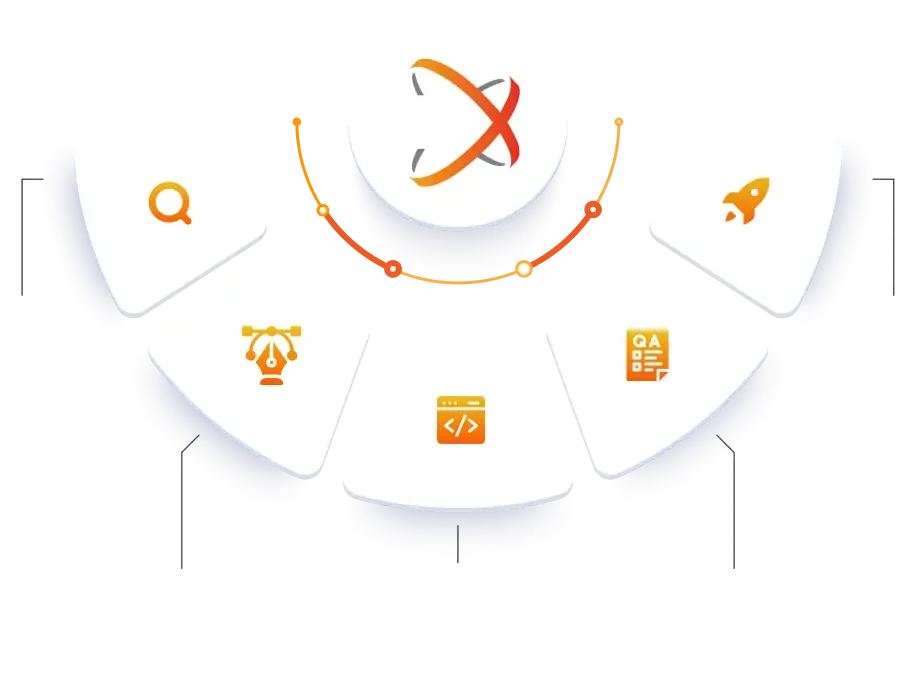
Intent

Understanding intent of custom web portal development ideas & challenges.

Research

Research market trends, user behaviour & competitor strategy for web app
Group-1484580161.png

Deploy

Branxify ensures high-quality web applications.

Security

We ensure industry-standard security measures to protect business and users

Communication

We emphasize constant communication for addressing concerns effectively.

Our Process

Group-1484580373.png

Intent

Understanding intent of custom web portal development ideas & challenges.

Group-1484580373.png

Research

Research market trends, user behaviour & competitor strategy for web app

Group-1484580373.png

Communication

We emphasize constant communication for addressing concerns effectively.

Group-1484580373.png

Security

We ensure industry-standard security measures to protect business and users

Group-1484580373.png

Deploy

Branxify ensures high-quality web applications.

Why Work With Branxify: Web and Application Development Company

Many firms produce a working app, but there are only a few you can afford to maintain in the next three years; here’s how a Web Application Development company differs.
icon1

Architecture Decisions

Before we start working, you will get a technical approach, a stack model, an integration map and the reason behind every choice.
icon2

Senior Engineers

People on your discovery call are the ones writing your code. Our delivery team is in-house and works full-time.
icon3

You Own Everything

You will own everything from source code, cloud accounts, repositories, and CI/CD pipelines from day one.
icon4

Build For The Handover

Every project ships with an architecture overview, technical documentation, walkthrough recording, and environment setup instructions.

Technology Stack: Our Web App Development Services Use

React

Node.js

Angular

Django

Ruby on Rails

Front-End

Back End

Databases

Cloud And DevOps

Auth And Identity

Payments

Testing And Qa

Web Application Development Company in USA: Engagement Models & Pricing

Our web application development company in USA offers extensive pricing models for you.

Engagement

Custom Web Application Development (Basic)

Custom Web Application Development (Standard)

Custom Web Application Development (Premium)

Typical Scope

5 to 7 pages, 1 CMS, basic integrations

10 to 15 pages, multi language, standard integrations

10 to 15 pages, multi language or multi brand, deep integrations

Range

$799 to $999
$1,299 to $1,499

$2,299 to $2,499

Timeline

3 to 5 Days
10 to 15 Days
15 Days

Our Web Application Development Agency Portfolio

We’ve built corporate sites across industries, from multi-location firms to regulated B2B companies. Selected work is under NDA, so we share anonymized case studies and live examples on request.

Client Stories

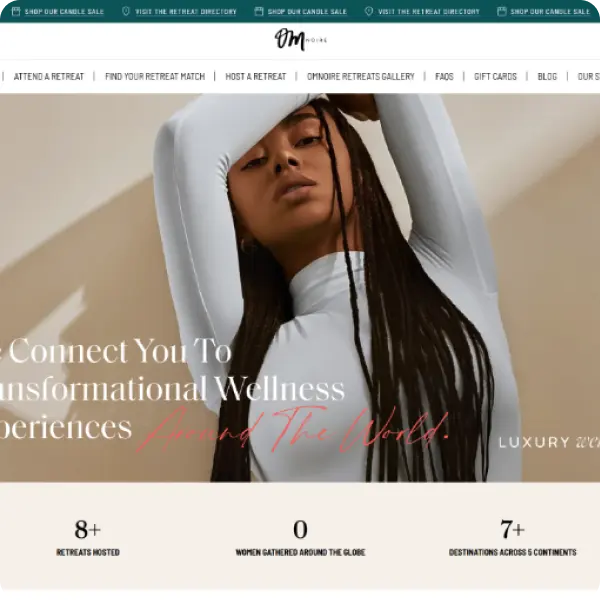
OMNoire

A luxury wellness platform connecting women to transformational retreats in the world’s most beautiful corners. We built its digital home to match the experience: editorial photography, quiet typography, a booking flow that feels like the journey has already begun.

The Challenge:

Retreats are hard to sell online: you’re selling a feeling and a transformation, not a product. OMNoire needed to communicate that calibre and guide different visitors down the right path.

The Solution:

We built the site around three journeys: attend, host, and gift, each with its own path and conversion logic. A retreat-matching tool turns a sprawling catalogue into a guided recommendation.

Oiwa Garage

Oiwa built its name on one promise: parts that actually fit the truck you own. We built the storefront to match.

The Challenge:

Most key parts sites organize by SKU and bury fitment in specs, with no way to filter by what you drive.

The Solution:

Navigation runs by manufacturer: Honda, Subaru, Daihatsu, Suzuki, Mitsubishi, so buyers land in their world on the first click, and a model selector confirms fitment before anyone guesses.

Client Reviews

Our Reviews

Our Web Application Development Insights

From client portals to data-driven dashboards and internal tools, we build web applications engineered around your workflows, scalable, secure, and coded from scratch. See the builds, the decisions, and the results.
OrangeBoximg

Related Blogs

Web Application Development

When companies decide to build their website, one of the first things they think about is the cost. Many companies want to know the reasons for the difference in cost when working with a custom web development company.

Ashley Reynolds

Custom Web Development Transform Your Online Presence By Branxify

Web Application Development

The digital world is a competitive one, and a generic website is just not going to cut it anymore if you want your business to make a statement.

Ashley Reynolds

Expect for Pricing from a Custom Website Development Company By Branxify

Web Application Development

Understanding Custom Website Development Company is often the biggest challenge for businesses planning to build or upgrade their digital presence.

Ashley Reynolds

FAQ's

Do We Own The Source Code?
Yes. Source code, repositories, infrastructure, and documentation are yours. We commit to your organization’s repos from the first sprint wherever possible. There’s no proprietary framework you’d have to keep licensing from us.
They will. On fixed-scope work, changes go through a written change order with cost and timeline impact stated before we build anything. On dedicated team engagements, you reprioritize the backlog yourself. What we won’t do is absorb scope quietly and hand you a surprise at the end.
Our Web Application Development company starts with a technical audit covering code quality, security, architecture, and dependency health, then gives you an honest read. Sometimes that read is “the cost of maintaining this is higher than rebuilding it.” We’ll say that too.
Our delivery team is in-house and full-time in Jamaica, with working clients all around New York City. Everyone on your project is a direct employee, not a subcontractor.
A [30]-day stabilization window is included as standard. After that, most clients move on to a Branxify maintenance retainer covering monitoring, security patching, dependency updates, and a monthly enhancement allocation. Some take the app fully in-house instead.

Unlock Your Deal

Unlock Your Deal

Hold on a Moment

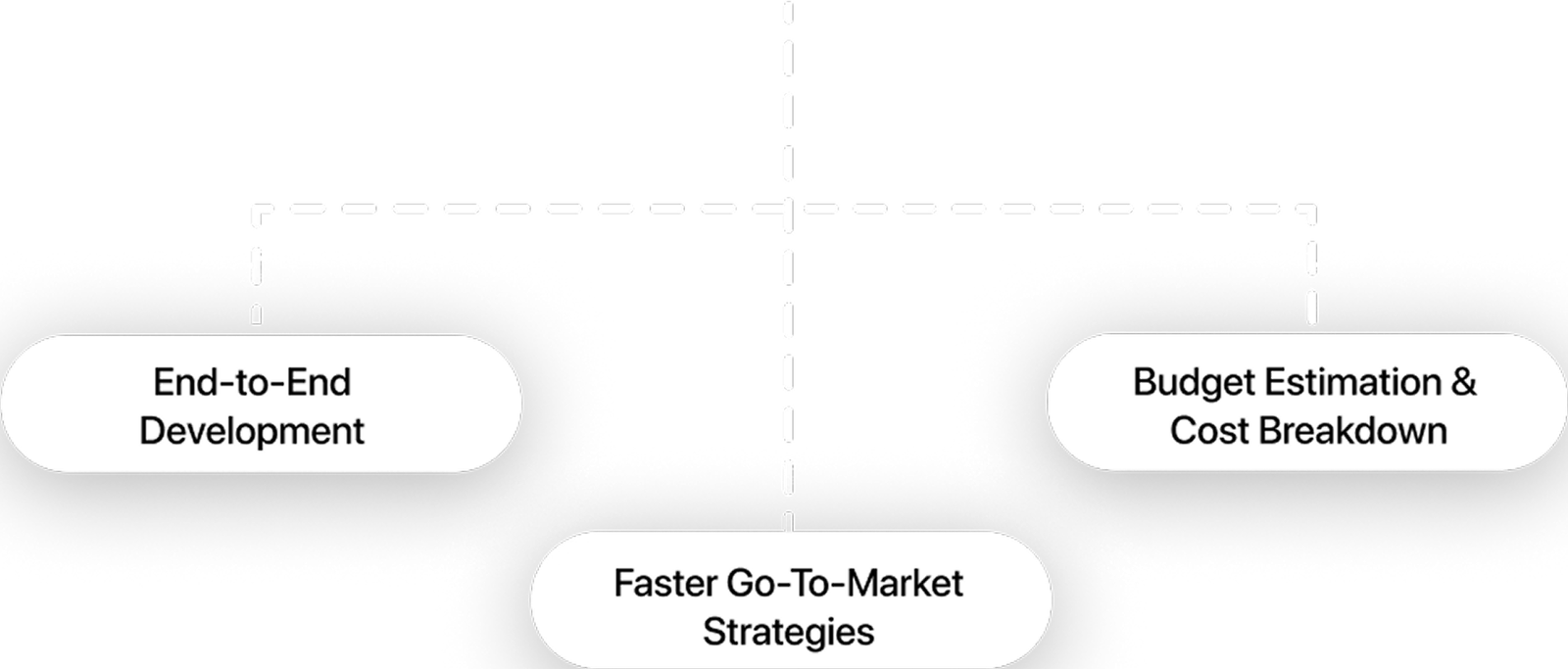
Book Your FREE Strategy Session to find out why 500+ successful brands trust us for: